

Категории
Новый блог
Из каких ингредиентов состоит морская антикоррозионная краска?
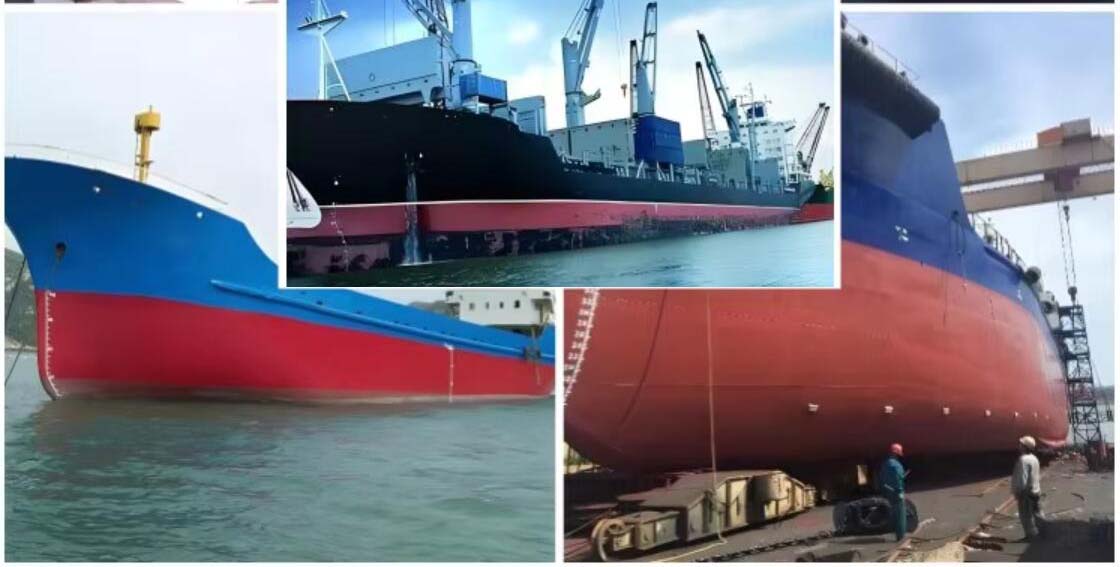
Apr 30, 2026Морская антикоррозионная краска специально разработана для защиты судов и морских сооружений от суровых условий морской среды. Ее эффективность обеспечивается сложной смесью химических веществ, включая смолы, пигменты, растворители, наполнители и добавки. Каждый компонент играет свою особую роль, работая вместе для обеспечения коррозионной стойкости, износостойкости, защиты от ультрафиолетового излучения и устойчивости к гидролизу.
1. Смолы (связующие вещества)
Смола является основным компонентом, определяющим адгезию, прочность и твердость поверхности краски. Она действует как связующее вещество, удерживая пигменты, наполнители и другие компоненты вместе, образуя стабильную защитную пленку.
• Эпоксидная смола: одна из наиболее широко используемых смол в антикоррозионных покрытиях. Она обладает превосходной адгезией, химической стойкостью и защитой от коррозии. Эпоксидные покрытия обычно наносятся на днища судов и ватерлинию, где они эффективно противостоят морской воде, химическим веществам и окислению.
• Полиуретановая смола: Известная своей высокой износостойкостью, полиуретан часто используется для покрытия верхней части корпуса. Она защищает от ультрафиолетового излучения, продлевая срок службы покрытия и сохраняя его внешний вид.
• Акриловая смола: обеспечивает хорошую устойчивость к атмосферным воздействиям и ультрафиолетовому излучению. Акриловые смолы часто используются в надстройках и палубах кораблей, помогая краске сохранять блеск и цвет даже при длительном воздействии солнечных лучей.
• Хлорированный каучук (например, пергут): используется в антикоррозионных красках для судов, контейнеров, химических заводов и промышленных трубопроводов, обеспечивая хорошую устойчивость к воде и химическим веществам.
2. Пигменты
Пигменты — это твердые компоненты, обеспечивающие цвет, укрывистость и дополнительные защитные функции. Различные пигменты способствуют предотвращению коррозии, износостойкости и твердости покрытия.
• Цинковый порошок: распространенный антикоррозионный пигмент, обеспечивающий катодную защиту. Цинковый порошок образует плотную металлическую пленку, которая изолирует влагу и кислород, предотвращая коррозию основания. Краски с высоким содержанием цинка широко используются вблизи дна и ватерлинии судов.
• Хроматы: обладают сильными антикоррозионными свойствами и широко используются в антикоррозионных покрытиях для поверхностей стали и алюминиевых сплавов. (Примечание: их использование все чаще ограничивается из-за экологических проблем; также распространены альтернативы, такие как фосфаты цинка.)
• Красный железо (красный оксид железа) и диоксид титана: эти пигменты, используемые в основном для окрашивания и защиты, усиливают антикоррозионный эффект и улучшают атмосферостойкость краски.
3. Растворители
Растворители используются для разбавления краски и регулирования ее вязкости, влияя на текучесть и свойства нанесения. Тип и пропорции растворителя напрямую влияют на скорость высыхания, блеск и удобство использования.
• Спиртовые растворители (например, этанол, изопропанол): Подходят для быстросохнущих и экологически чистых красок.
• Кетонные растворители (например, ацетон, метилэтилкетон): обладают хорошей растворимостью и используются для регулирования консистенции краски и улучшения характеристик нанесения.
• Ароматические углеводородные растворители (например, ксилол): широко используются в покрытиях с высоким содержанием твердых веществ благодаря своей высокой растворяющей способности.
4. Филлеры
Наполнители — это неорганические или органические твердые частицы, которые увеличивают объем и содержание твердых веществ. Они также улучшают твердость покрытия, износостойкость и адгезию. К распространенным наполнителям относятся диоксид кремния, тальк и боксит.
• Неорганические наполнители (например, порошок диоксида кремния, порошок алюминия): повышают устойчивость покрытия к старению и его твердость.
• Органические наполнители (например, микросферы смолы): улучшают эластичность и прочность покрытия, делая его более устойчивым к растрескиванию и ударам.
5. Добавки
Добавки — это химические вещества, добавляемые в очень малых количествах для улучшения определенных свойств покрытия.
• УФ-поглотители/стабилизаторы: повышают устойчивость покрытия к ультрафиолетовому излучению, предотвращая выцветание, образование мелового налета или преждевременное старение из-за длительного воздействия солнечных лучей.
• Добавки, предотвращающие гидролиз: повышают водостойкость покрытия во влажной или погруженной в воду среде, помогая предотвратить образование пузырей или отслаивание.
• Выравнивающие добавки: улучшают растекаемость и выравнивание влажной краски во время нанесения, уменьшая дефекты поверхности, такие как следы от кисти, точечные дефекты или эффект «апельсиновой корки».



 Поддерживается сеть IPv6


