

Категории
Новый блог
Почему акриловые смолы являются предпочтительным выбором для современных покрытий?
May 07, 2026Когда речь заходит о промышленных и архитектурных покрытиях, акриловые смолы не получают должного внимания. Эти синтетические полимеры встречаются повсюду — от прочного покрытия на грузовиках до глянцевой краски на ваших стенах. И как только вы разберетесь в их свойствах, станет ясно, почему.
На водной или на растворительной основе: выберите то, что вам больше подходит.
Акриловые смолы делятся на две основные группы. Акриловые смолы на водной основе — это экологически чистый вариант с низким уровнем выбросов летучих органических соединений, что отлично подходит для улучшения качества воздуха в помещении и соответствует более строгим экологическим нормам. Они являются основой многих архитектурных красок.
С другой стороны, акриловые покрытия на основе растворителей превосходно проявляют себя в суровых условиях. Они обладают исключительной прочностью и устойчивостью к атмосферным воздействиям, что делает их идеальными для промышленного применения на открытом воздухе, где покрытия должны выдерживать воздействие солнца, дождя и химических веществ изо дня в день.
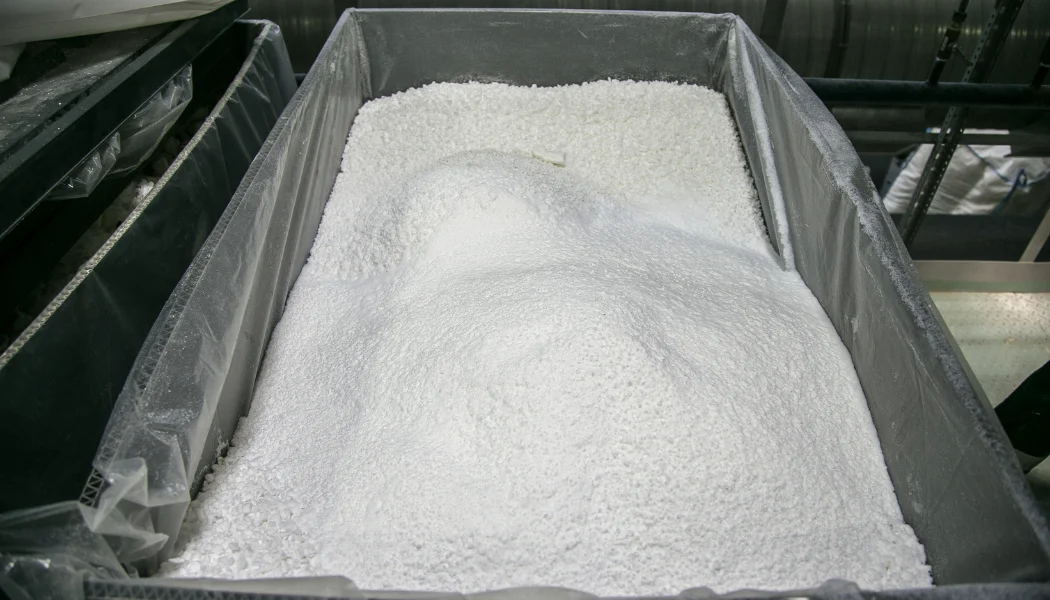
В чём же заключается польза акриловых красок?
Вот краткий список причин, по которым производители постоянно возвращаются к акриловым краскам:
• Устойчивость к погодным условиям – они выдерживают воздействие ультрафиолетового излучения, влаги и перепадов температуры, не разрушаясь.
• Высокая адгезия – они надежно прилипают к металлу, пластику и дереву.
• Гибкость – В отличие от хрупких покрытий, акриловые краски двигаются вместе с основанием, поэтому они устойчивы к растрескиванию и отслаиванию.
• Сохранение цвета – они не выцветают и не желтеют быстро. Блеск остается неизменным.
• Прозрачность – Многие акриловые смолы обладают естественной прозрачностью, что обеспечивает яркие, реалистичные цвета.
• Легкое нанесение – распыляйте, наносите кистью или валиком – они хорошо растекаются и ложатся ровно.
• Экономическая эффективность – Более низкие затраты на техническое обслуживание и меньшее количество повторных нанесений зачастую перевешивают любые более высокие первоначальные затраты.
Четыре основных типа, четыре разных профессии
Не все акриловые краски одинаковы. Вот краткий обзор:
Акриловая эмульсия – изготавливается с использованием эмульгаторов для смешивания воды и полимера. Ее можно сделать сверхмягкой и эластичной или твердой и устойчивой к царапинам. Она популярна в декоративных покрытиях и герметиках, часто с практически нулевым содержанием летучих органических соединений (ЛОС).
Акриловый полиол – создается путем сополимеризации акриловых мономеров. При сшивании с изоцианатной смолой он становится чрезвычайно твердым и химически стойким. Это высокоэффективные покрытия – например, двухкомпонентные промышленные покрытия и автомобильные финишные покрытия, которые должны выдерживать воздействие окружающей среды в течение многих лет.
Термореактивный акрил – после затвердевания образует прочную сшитую пленку. После затвердевания он не плавится повторно. Это делает его идеальным для применений, требующих высокой химической стойкости и износостойкости.
Термопластичный акрил – твердый в сухом состоянии, но размягчается при нагревании, становясь формуемым до охлаждения. Эта обратимость означает, что его часто можно перерабатывать, что является приятным бонусом с точки зрения экологии. Он широко используется в защитных и декоративных покрытиях, которые должны сохранять гибкость.
Где вы их действительно найдете
Акриловые покрытия встречаются гораздо чаще, чем можно было бы ожидать:
• Промышленное оборудование и механизмы – защита от коррозии и износа
• Отделка зданий – эстетика и защита от непогоды
• Грузовики и прицепы – прочность и элегантный внешний вид.
• Напольные покрытия – прочные, простые в уходе и идеально подходят для коммерческих помещений.
Итог
Акриловые смолы не отличаются эффектным внешним видом, но при этом удивительно надежны. Нужна ли вам краска с низким содержанием летучих органических соединений для внутренней отделки школы или химически стойкое финишное покрытие для заводского оборудования, скорее всего, найдется подходящая акриловая формула. Настоящее преимущество заключается в разнообразии — мягкие или твердые, на водной или сольвентной основе, термопластичные или термореактивные. Именно эта универсальность позволила акриловым смолам занять свое место во всем, от бытовых красок до прочных промышленных покрытий.



 Поддерживается сеть IPv6


